

An impact assessment is a structured process used to identify and evaluate the potential effects of a proposed project, policy, program, business decision, or organizational change. It can help decision-makers understand possible positive and negative outcomes before proceeding with an important activity.
An impact assessment template provides a ready-made framework for collecting information, identifying affected areas, evaluating potential consequences, and documenting recommended actions. Businesses, project managers, consultants, nonprofit organizations, government agencies, and other professionals can adapt these templates according to their particular assessment requirements.
Impact assessments can cover different areas, including environmental, social, economic, business, project, and organizational impacts. The appropriate approach depends on what is being assessed and the purpose of the evaluation.
What Is an Impact Assessment?
An impact assessment examines how a proposed action could affect people, organizations, communities, operations, finances, or the environment.
Rather than focusing only on potential problems, an assessment can also identify possible benefits and opportunities.
A typical impact assessment may include:
- Project or policy description
- Purpose and objectives
- Stakeholders affected
- Areas of potential impact
- Positive impacts
- Negative impacts
- Likelihood and severity
- Mitigation measures
- Responsible parties
- Recommendations
- Monitoring requirements
The exact information required depends on the type and complexity of the assessment.
Free Impact Assessment Template
A free impact assessment template provides a structured starting point for documenting findings. It can help ensure that important areas are considered consistently rather than relying on unstructured notes.
Users can customize the template by adding their project name, objectives, stakeholders, assessment criteria, findings, proposed mitigation measures, and recommendations.
Types of Impact Assessment
There are several types of impact assessments, and each serves a different purpose.
Environmental Impact Assessment: Evaluates potential effects of a proposed activity on the environment.
Social Impact Assessment: Examines how a project or policy could affect people, communities, and social conditions.
Economic Impact Assessment: Evaluates potential economic effects, such as employment, spending, income, or broader economic activity.
Business Impact Assessment: Helps organizations understand how events or proposed changes could affect business processes, resources, customers, and operations.
Project Impact Assessment: Evaluates the potential consequences and benefits associated with a particular project.
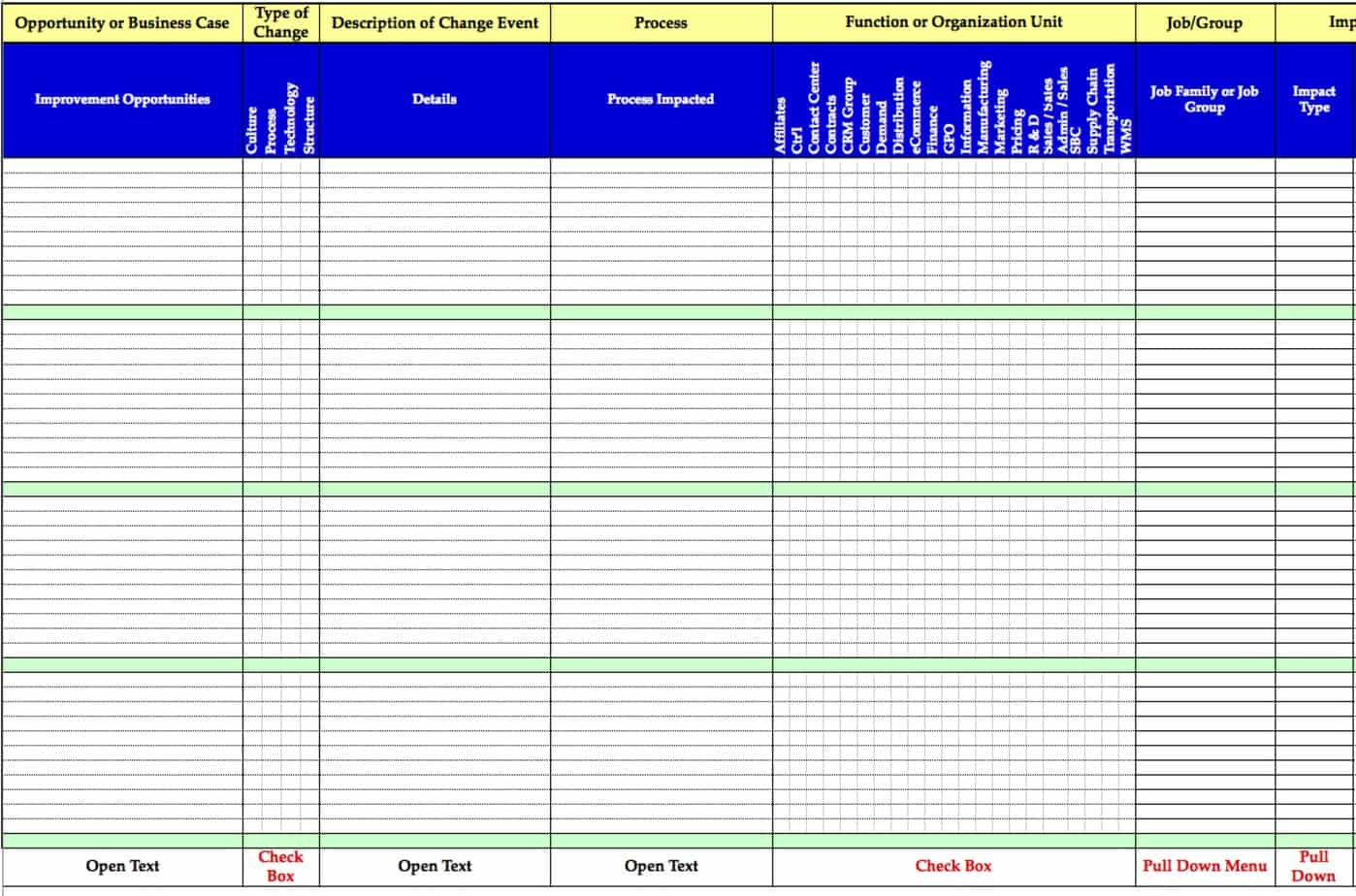
Change Impact Assessment: Examines how an organizational or operational change may affect employees, processes, technology, and other areas.
Impact Assessment Template in Word
A Word impact assessment template is useful when the assessment requires detailed written explanations. Microsoft Word allows users to customize headings, tables, assessment criteria, findings, recommendations, and supporting information.
The completed assessment can also be saved as a PDF for sharing with stakeholders.
Impact Assessment Template in Excel
An Excel impact assessment template is useful when impacts need to be compared or scored systematically.
For example, columns can be created for:
| Impact | Likelihood | Severity | Priority | Mitigation |
|---|---|---|---|---|
| Operational delay | Medium | High | High | Review schedule |
| Additional costs | Medium | Medium | Medium | Revise budget |
Organizations can develop their own scoring criteria according to the assessment methodology being used.
How to Conduct an Impact Assessment
Start by clearly defining the project, policy, decision, or change being assessed. Identify the people, departments, communities, processes, or other areas that could be affected.
Next, identify potential positive and negative impacts and evaluate their significance using suitable criteria. Where negative impacts are identified, document possible mitigation or management measures.
Finally, summarize the findings and recommendations so decision-makers can understand the major considerations before proceeding.
For regulated projects, organizations should follow the specific assessment procedures and legal requirements applicable to their jurisdiction and industry.
Benefits of Using an Impact Assessment Template
Using a standardized template can make assessments more organized, consistent, and easier to review. It provides a common structure for documenting potential impacts and proposed responses.
Templates can also make it easier to compare assessments across projects and communicate findings to managers, stakeholders, or other decision-makers.
Download Free Impact Assessment Templates
Whether you need an impact assessment template, environmental impact assessment, business impact assessment, social impact assessment, project impact assessment, change impact assessment, or impact assessment matrix, a ready-made template can provide a practical starting point.
Customize the selected format according to the scope of your assessment and use reliable information when evaluating potential effects. For formal environmental, regulatory, legal, or technical assessments, ensure that the process meets applicable professional and regulatory requirements.
Downloadable Impact Assessment Templates And Formats
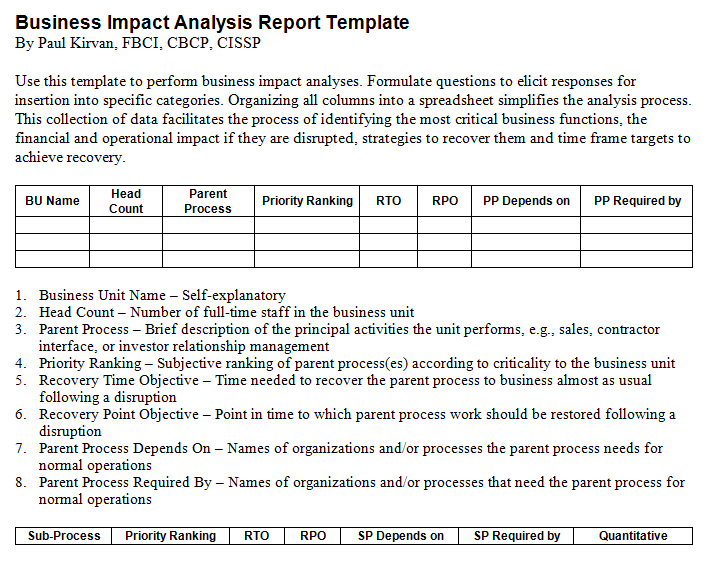
1. Impact Assessment Template
This impact assessment template provides a structured format for identifying and evaluating the potential effects associated with a project, policy, decision, or organizational activity. It can be customized with assessment criteria, findings, impact ratings, and recommendations.
The template can be adapted by businesses, project teams, consultants, and organizations that need an organized method for documenting potential impacts before making a decision.

2. Project Impact Assessment Template
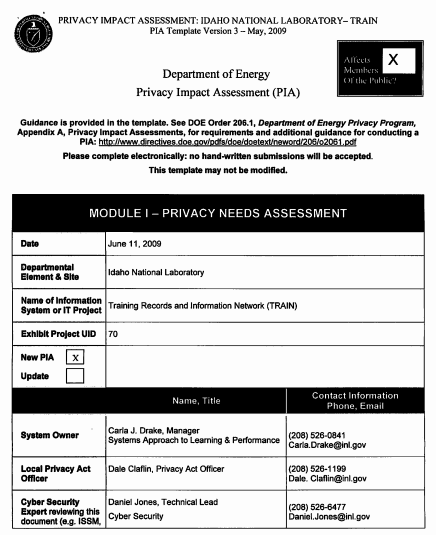
This template provides a starting point for evaluating how a proposed project could affect different stakeholders, resources, processes, or other relevant areas.
Users can adapt the document to record positive and negative impacts, their significance, proposed responses, and recommendations.
3. Business Impact Assessment Template
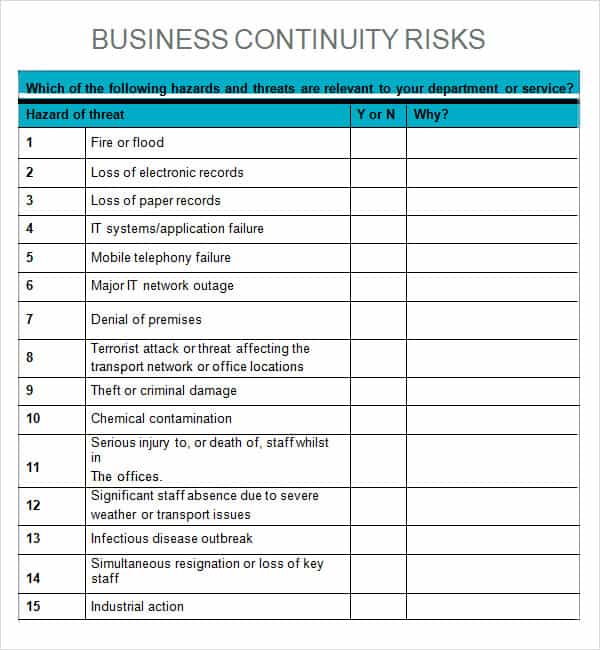
This impact assessment format can be adapted to examine the potential effects of a decision, project, or change on business operations.
It can help organize findings relating to processes, resources, employees, customers, costs, and other relevant business considerations.
4. Impact Assessment Matrix Template
This template can be used to organize identified impacts and evaluate them according to suitable assessment criteria.
A matrix-style approach can make it easier to compare impacts and identify areas requiring greater attention or mitigation.

5. Change Impact Assessment Template
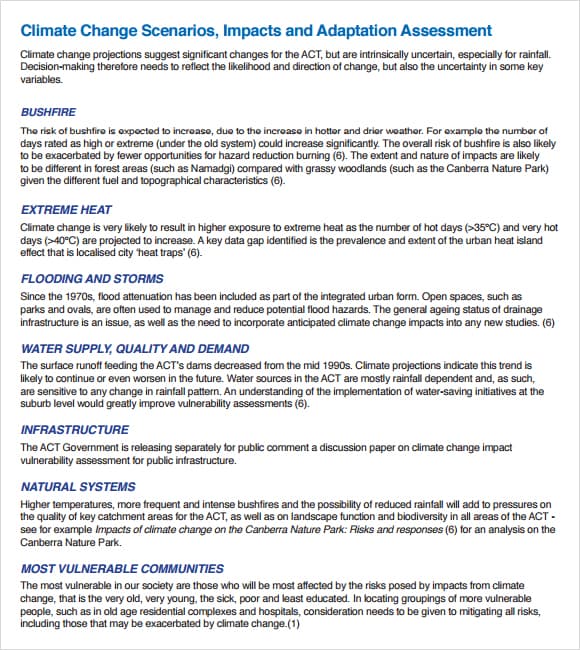
This impact assessment template can be adapted to evaluate the possible consequences of an organizational or operational change.
It may be useful for identifying affected employees, departments, processes, technology, responsibilities, and other areas before implementing a significant change.
More Examples Of Impact Assessment Template Are Here
Frequently Asked Questions
1. What is an impact assessment?
An impact assessment is a structured process for identifying and evaluating the potential positive and negative effects of a project, policy, decision, program, or organizational change.
2. What should an impact assessment include?
An impact assessment may include the activity being assessed, stakeholders, potential impacts, likelihood, severity, positive and negative effects, mitigation measures, recommendations, and monitoring requirements.
3. What are the main types of impact assessments?
Common types include environmental, social, economic, business, project, organizational, and change impact assessments. The appropriate type depends on what is being evaluated.
4. Can I create an impact assessment in Word?
Yes. An impact assessment Word template is useful for assessments requiring detailed descriptions, findings, recommendations, and supporting information.
5. Can Excel be used for impact assessment?
Yes. Excel can be useful for creating an impact assessment matrix and assigning ratings for factors such as likelihood, severity, priority, and mitigation status.
6. What is a change impact assessment?
A change impact assessment evaluates how a proposed organizational change could affect employees, processes, technology, responsibilities, customers, and other areas.
7. What is an environmental impact assessment?
An environmental impact assessment evaluates the potential environmental effects associated with a proposed project or activity. Formal assessments may be subject to specific regulatory requirements.
8. Why is impact assessment important?
Impact assessment helps decision-makers identify potential consequences before proceeding, consider alternatives or mitigation measures, and make more informed decisions.



You must be logged in to post a comment.