Free Certificate of Origin Templates

A Certificate of Origin (COO) is a trade document used to identify the country where goods were produced, manufactured, or obtained. It may be requested during international shipping and customs procedures to help establish the origin of imported or exported products.

A Certificate of Origin template provides a structured format for recording the information typically associated with an international shipment. Depending on the applicable requirements, the document may include exporter and importer details, a description of the goods, quantities, weights, country of origin, shipment information, and certification details. These free templates provide useful starting points for organizing this information.

Certificate of Origin Templates

A Certificate of Origin should clearly identify the exporter, consignee or importer, and goods covered by the document. The exact fields and certification requirements can differ depending on the destination country, trade agreement, product, and issuing authority.

A generic template can help organize the information, but it should not be assumed to meet every customs or chamber-of-commerce requirement. Always check the requirements applicable to the specific shipment before preparing the final document.

Certificate of Origin Template in Word

A Certificate of Origin template in Word is convenient when you need an editable document that can be customized for individual shipments. You can add exporter information, consignee details, product descriptions, quantities, weights, invoice references, and country-of-origin information.

Word also makes it easy to save a customized master copy and reuse the layout for future shipments. Keep the original template separate from completed certificates to avoid accidentally carrying information from an earlier shipment into a new document.

Certificate of Origin Template in Excel

An Excel Certificate of Origin template can be useful when shipment information involves multiple products or detailed itemized data. A spreadsheet makes it easier to organize products into rows and record quantities, weights, descriptions, and other information.

Excel can also help businesses maintain consistent product information across recurring shipments. However, make sure the final document matches the format required by the relevant authority or trade partner.

What Information Does a Certificate of Origin Include?

Depending on the applicable form and requirements, a Certificate of Origin may include:

  • Exporter’s name and address
  • Importer’s or consignee’s details
  • Country of origin
  • Description of goods
  • Quantity of goods
  • Gross or net weight
  • Invoice number
  • Shipment information
  • Packaging details
  • Declaration or certification
  • Authorized signature or stamp

Not every certificate uses exactly the same fields. The required information depends on the type of certificate and the rules applicable to the shipment.

Preferential and Non-Preferential Certificates of Origin

Certificates of Origin can generally be associated with preferential or non-preferential origin documentation.

A preferential Certificate of Origin may be used when goods qualify for special tariff treatment under a trade agreement or preference scheme. A non-preferential Certificate of Origin identifies the origin of goods without necessarily providing preferential tariff treatment.

The appropriate documentation depends on the destination, products, trade agreement, and customs requirements. Exporters should verify which type is required before shipping.

Certificate of Origin for Export

An export Certificate of Origin may be required when goods are shipped from one country to another. It helps the importing side establish the declared origin of the products.

The exporter should ensure that product descriptions and other shipment information are consistent with the commercial invoice, packing list, and other shipping documents. Differences between documents can create unnecessary delays or requests for clarification.

Certificate of Origin for Import

Importers may request a Certificate of Origin when customs authorities or other parties need evidence of where goods originated. The document can be particularly relevant when tariff treatment, trade restrictions, quotas, or other origin-related rules apply.

Import requirements vary by country and product. The importer should confirm the required documentation with the appropriate customs authority or trade professional.

Chamber of Commerce Certificate of Origin

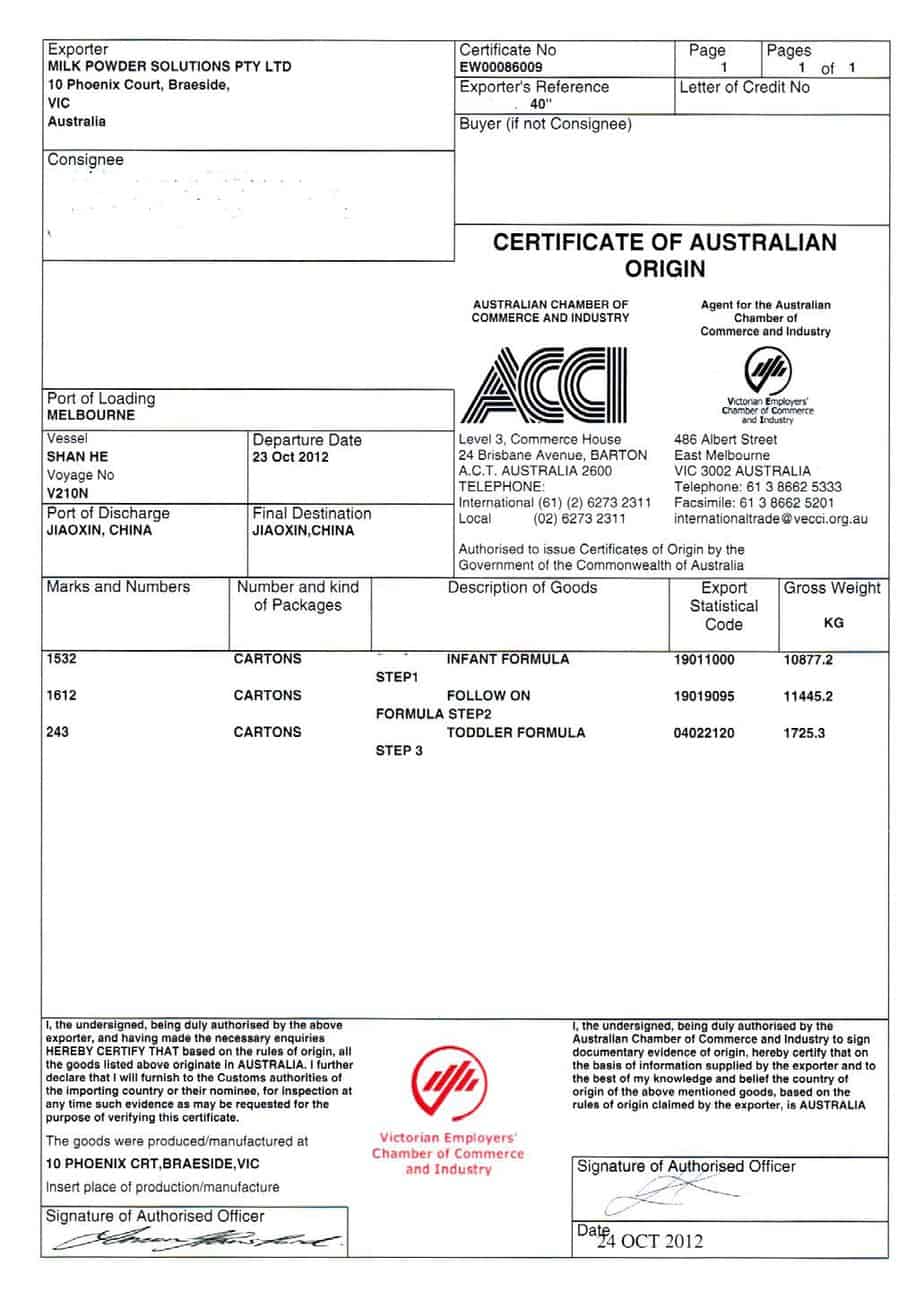
In many trade situations, a Chamber of Commerce or another authorized organization may certify or issue a Certificate of Origin. The exact process varies by jurisdiction and organization.

A downloaded template does not automatically become an official Certificate of Origin. If certification is required, follow the issuing organization’s current application, documentation, signature, and authentication requirements.

How to Prepare a Certificate of Origin

Start by identifying the shipment, exporter, importer, and goods being documented. Enter the product descriptions, quantities, weights, invoice references, and country-of-origin information accurately.

Check the information against the commercial invoice, packing list, and other shipping documents. If certification is required, submit the document through the appropriate authority or issuing organization according to its procedures.

Certificate of Origin vs. Commercial Invoice

A Certificate of Origin and commercial invoice serve different purposes. A commercial invoice generally provides information about the sale and value of goods, while a Certificate of Origin identifies the country associated with the origin of those goods.

Both documents may be used together in an international shipment. They should contain consistent information about the products, quantities, parties, and shipment wherever applicable.

Download Free Certificate of Origin Templates

These free Certificate of Origin templates in Word and other editable formats provide convenient starting points for organizing export and import documentation. The collection includes downloadable templates and numerous Certificate of Origin examples for reference.

Choose a format that matches your shipment requirements, replace the sample information with accurate details, and verify the final document against the requirements of the destination country and relevant issuing authority. A well-prepared Certificate of Origin can help keep international shipping documentation organized and consistent.

Downloadable Certificate of Origin Templates And Formats
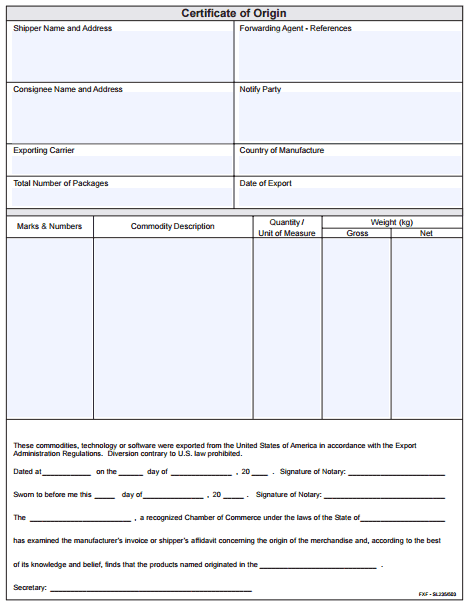
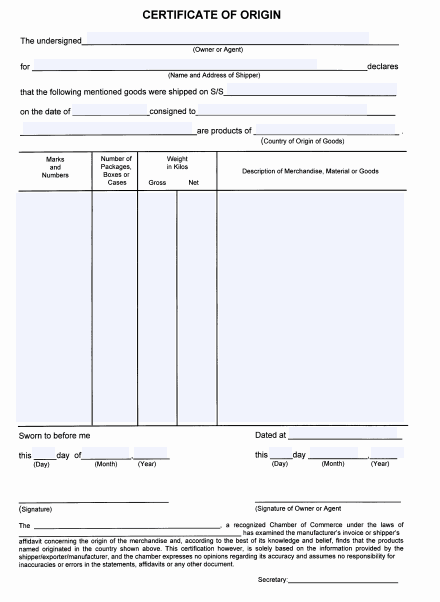
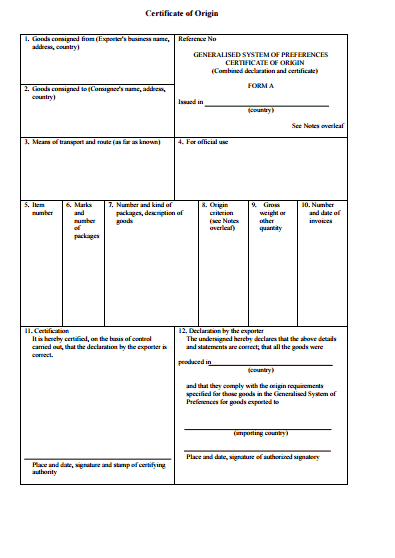
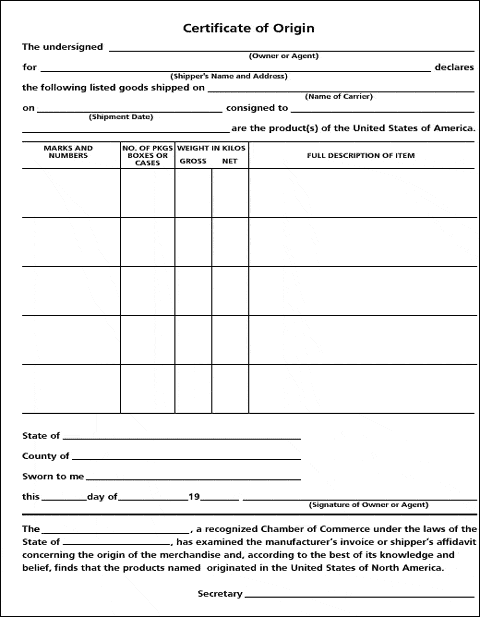
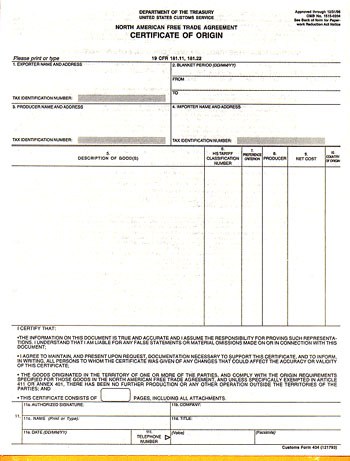
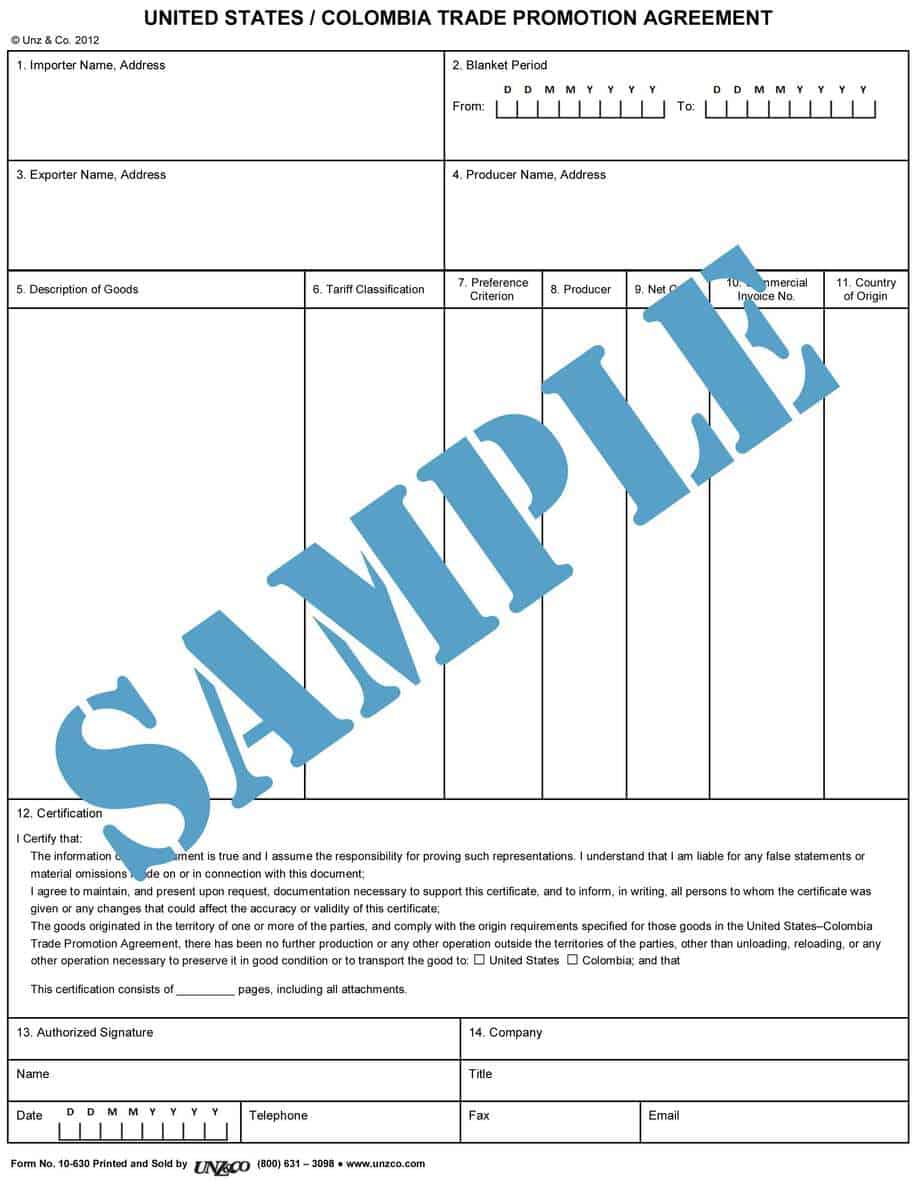
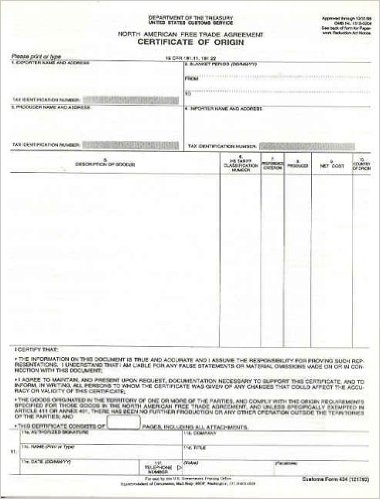
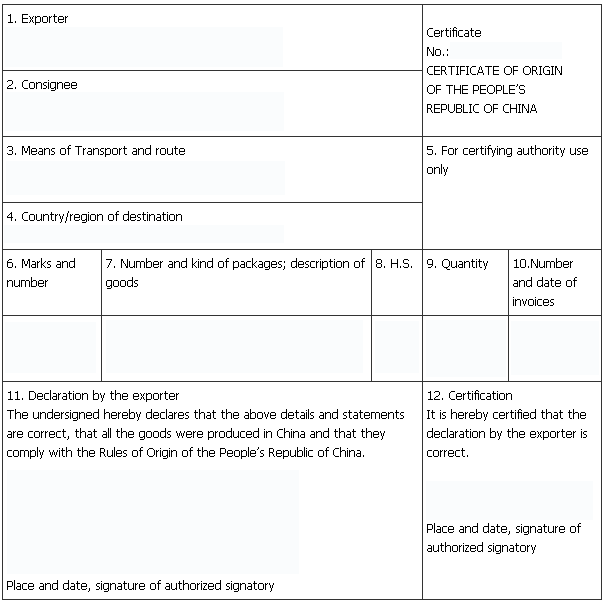
This Certificate of Origin template provides a structured format for documenting the origin of goods in an international shipment. It can include fields for exporter and importer information, product descriptions, quantities, country of origin, and shipment details.

Use the template as a starting point and replace all sample information with accurate shipment data. Verify the required fields and certification process before using the document for an actual export or import transaction.

Certificate of Origin template for international export and import shipments
downlaod link

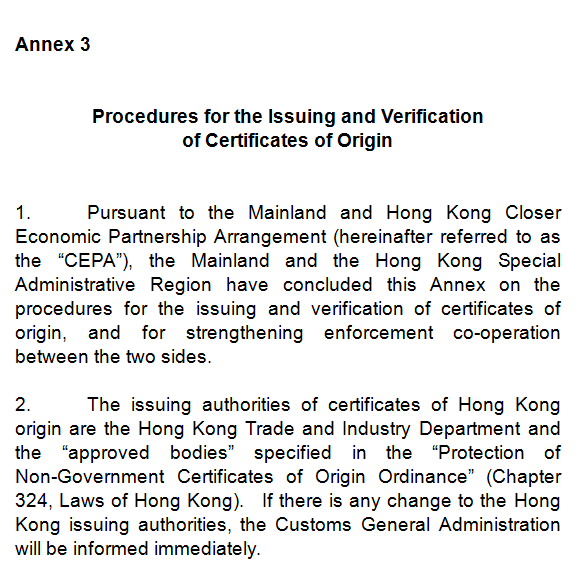
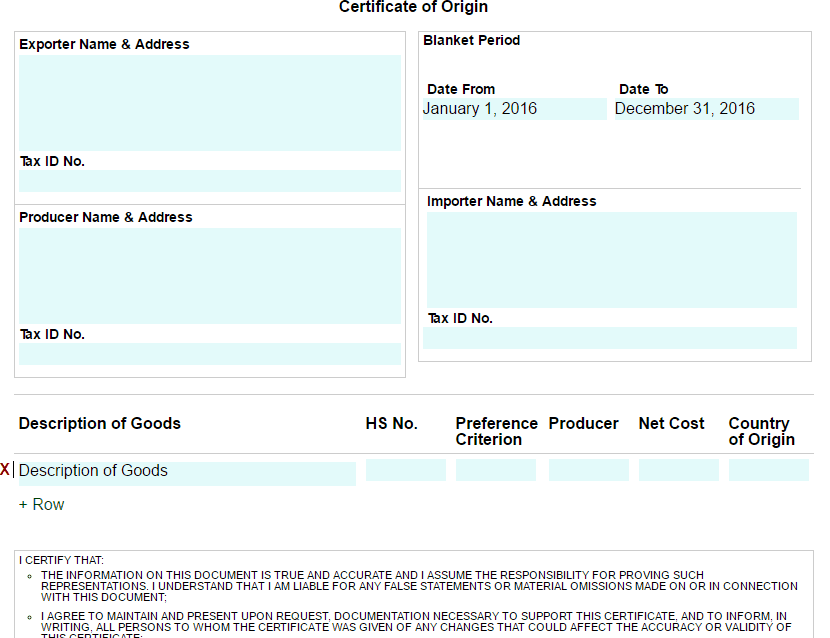
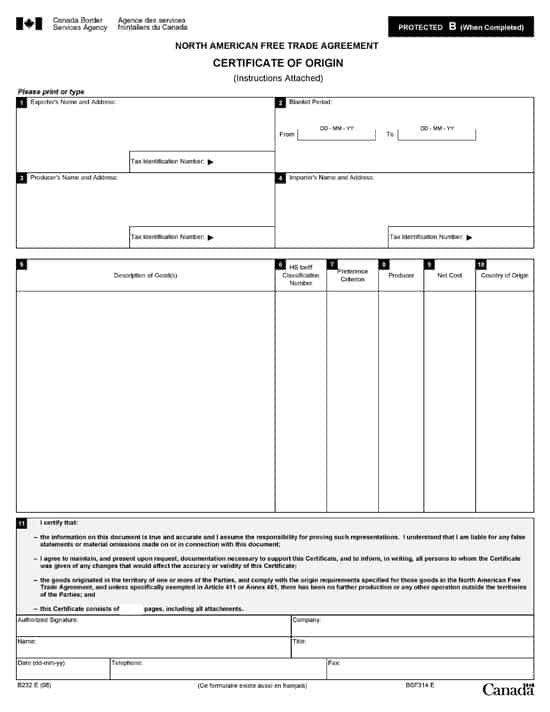
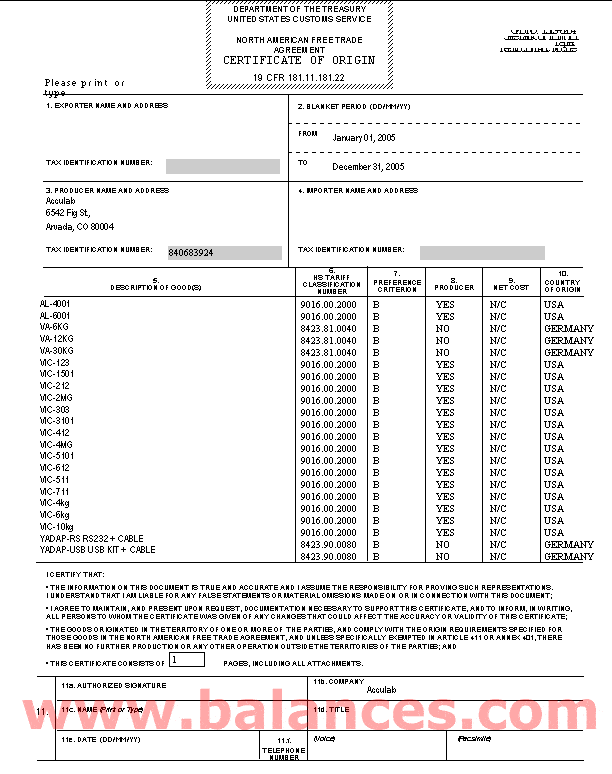
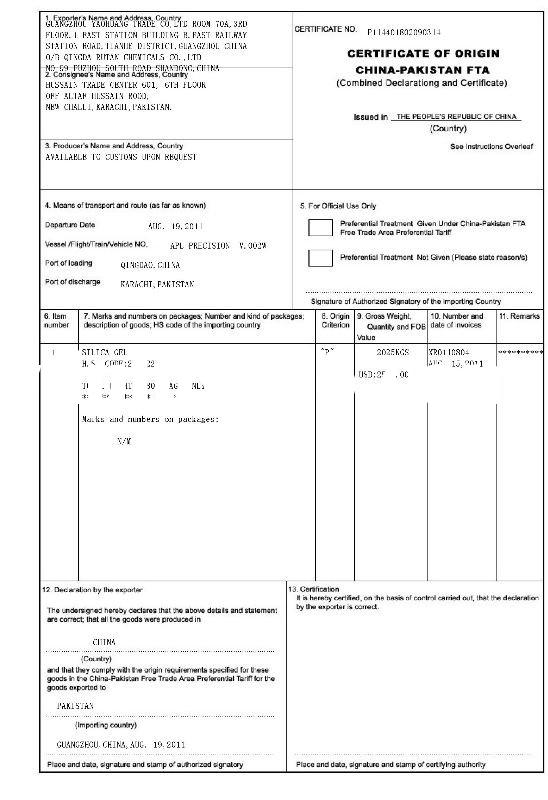
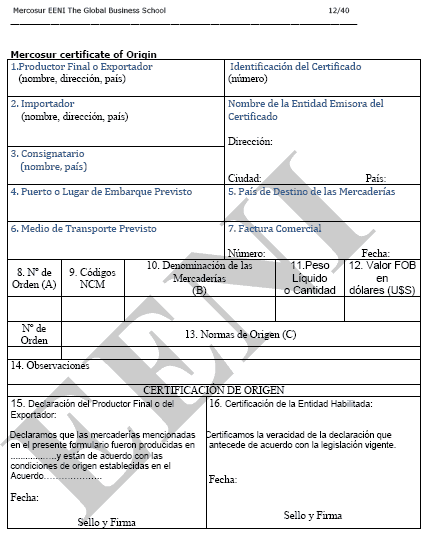
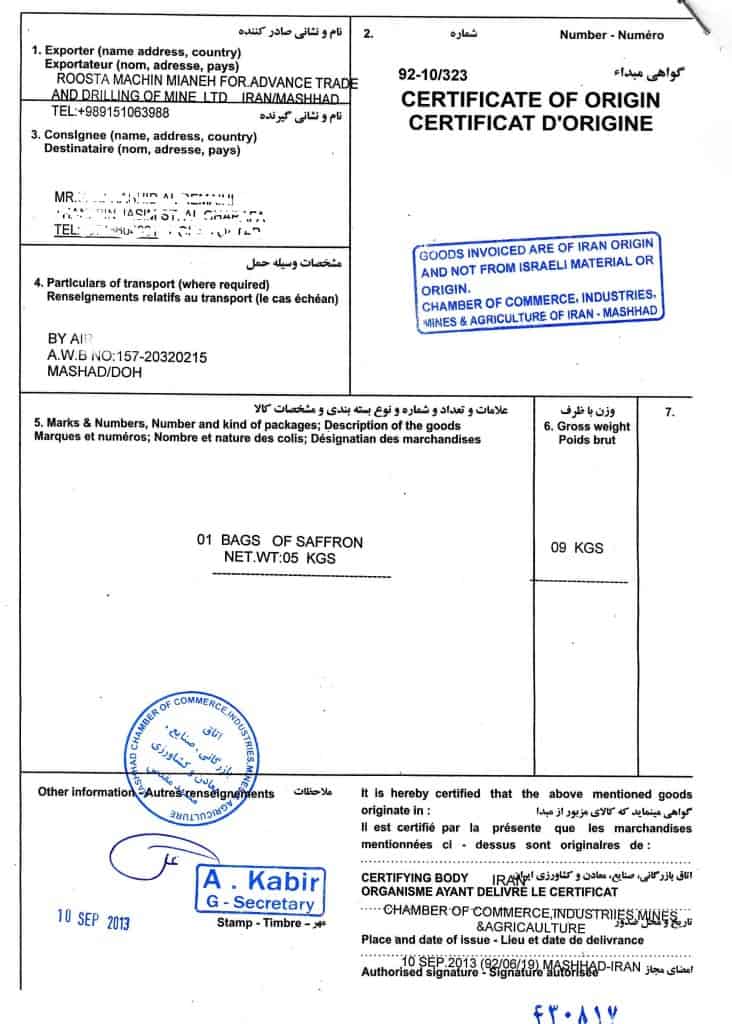
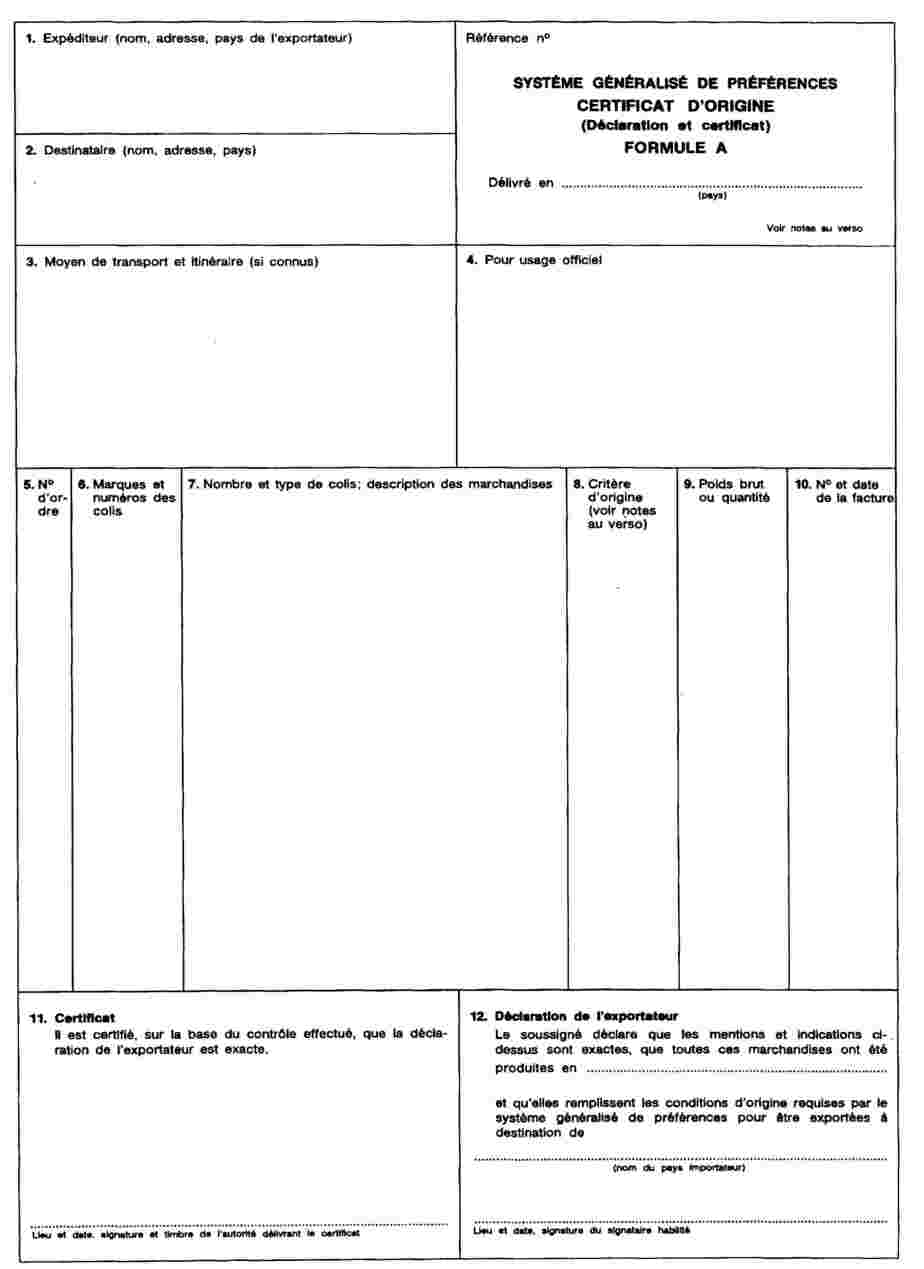
This Certificate of Origin template provides another format for recording the information associated with goods being shipped internationally. It can help organize exporter details, consignee information, product descriptions, and origin declarations.

Keep the information consistent with the commercial invoice and packing list. If certification is required, submit the completed document through the appropriate authorized organization.

Certificate of Origin template for documenting country of origin of goods
downlaod link

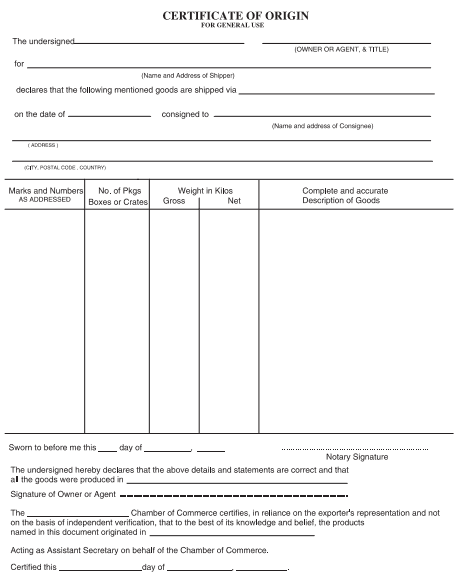
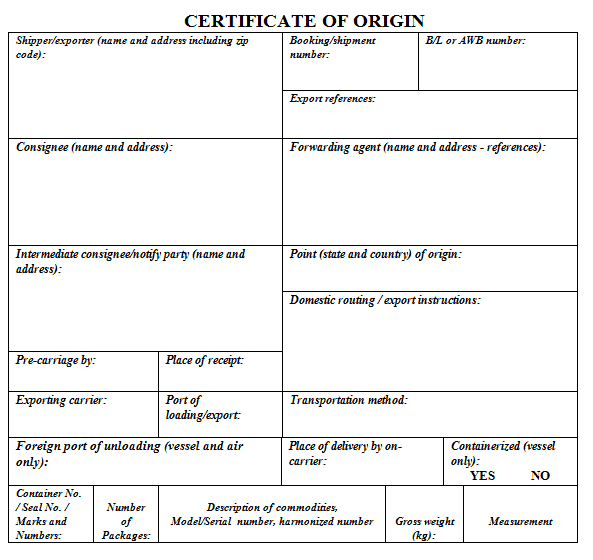
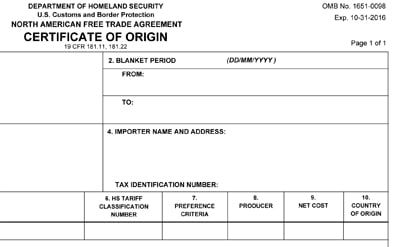
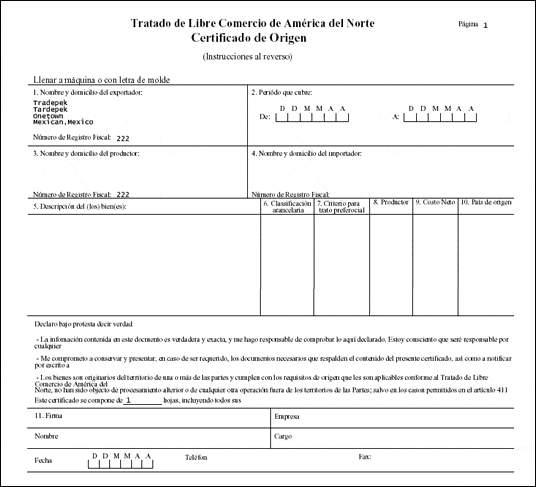
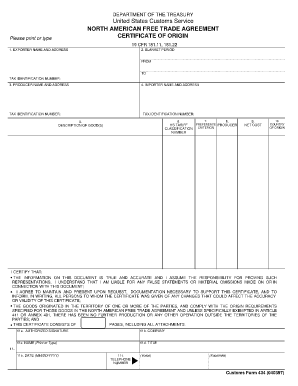
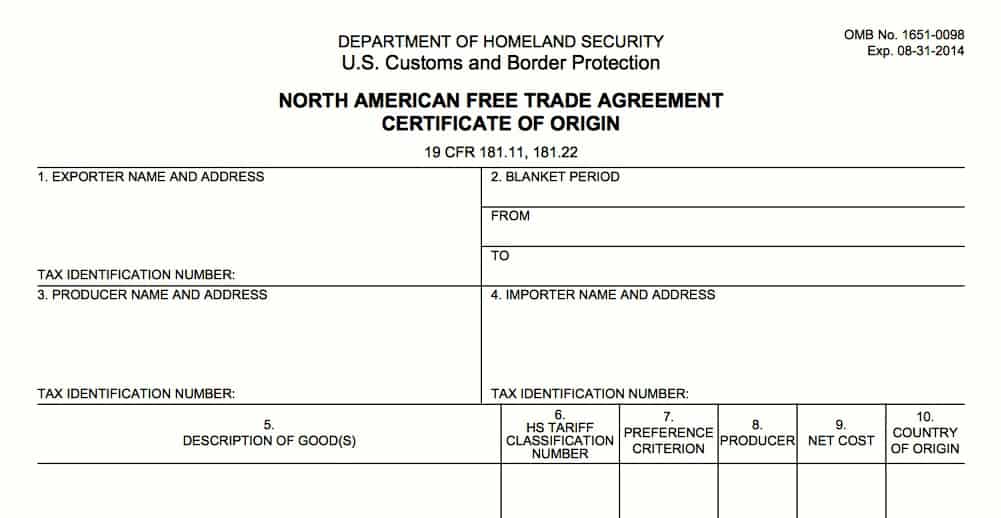
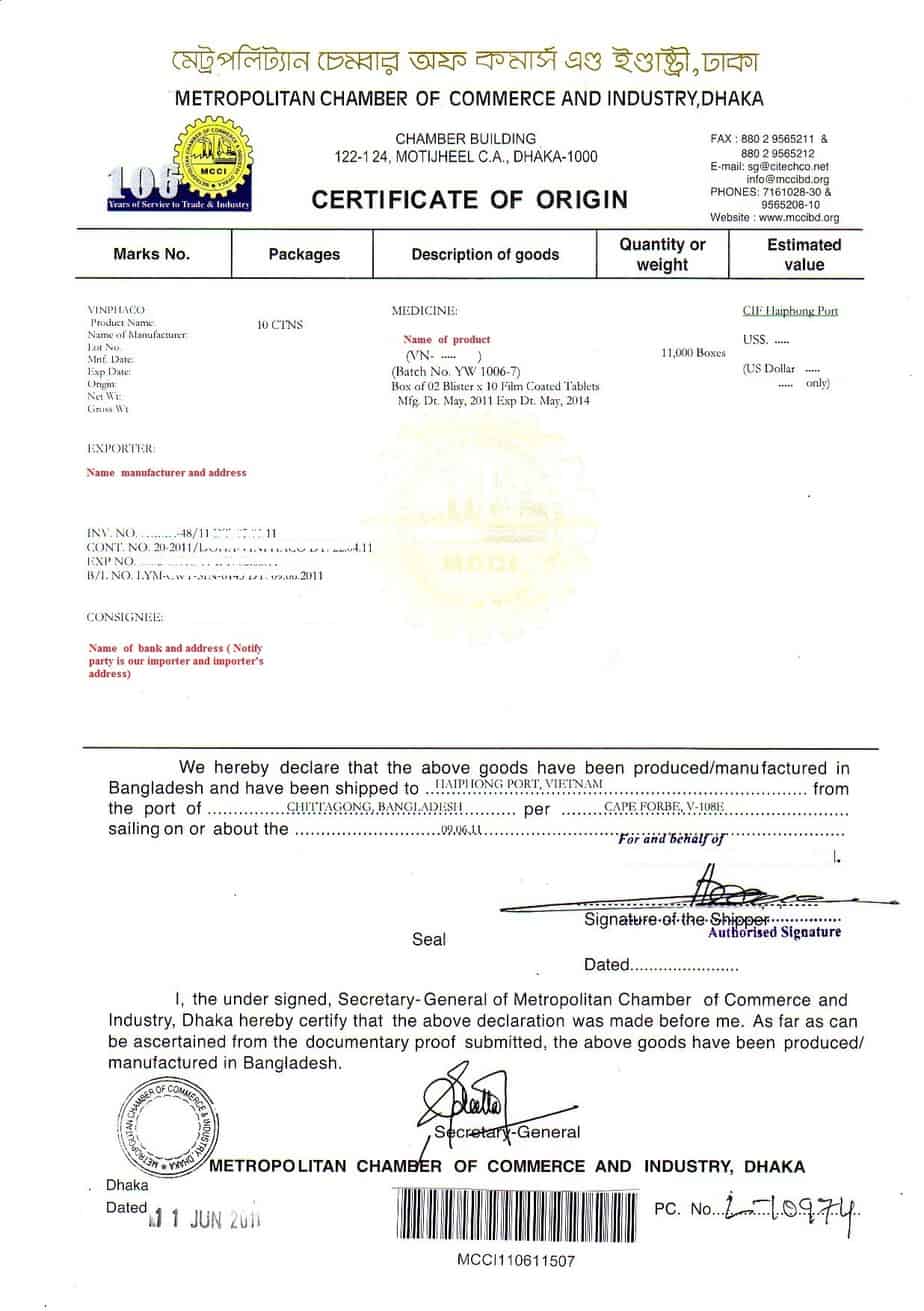
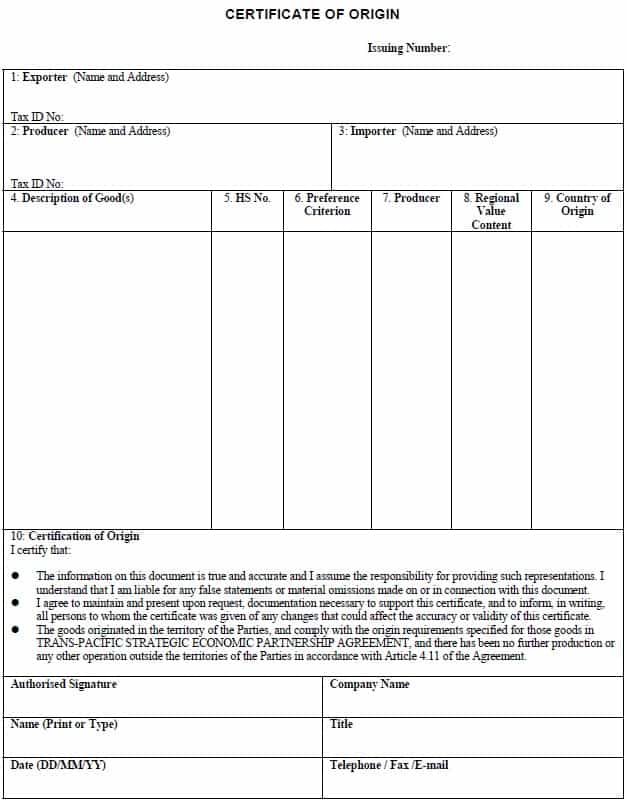
This Certificate of Origin template offers a practical structure for documenting product origin and shipment information. It can be customized with the relevant parties, goods, quantities, and country-of-origin details.

Before using the template, confirm whether the destination country or trade agreement requires a particular Certificate of Origin form. Generic templates may not satisfy specific official requirements.

Certificate of Origin form template for international trade documentation
downlaod link

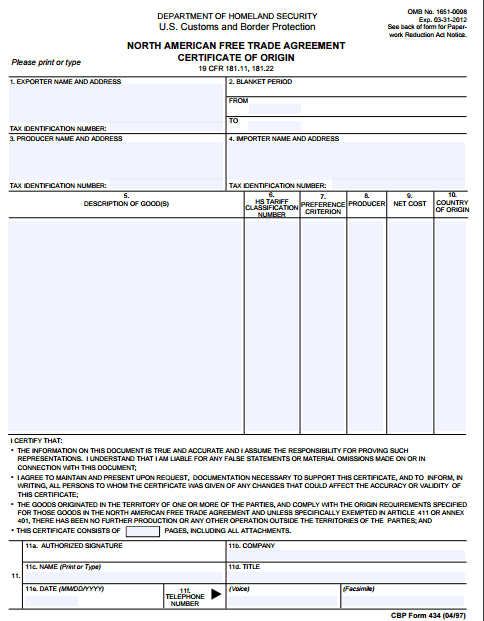
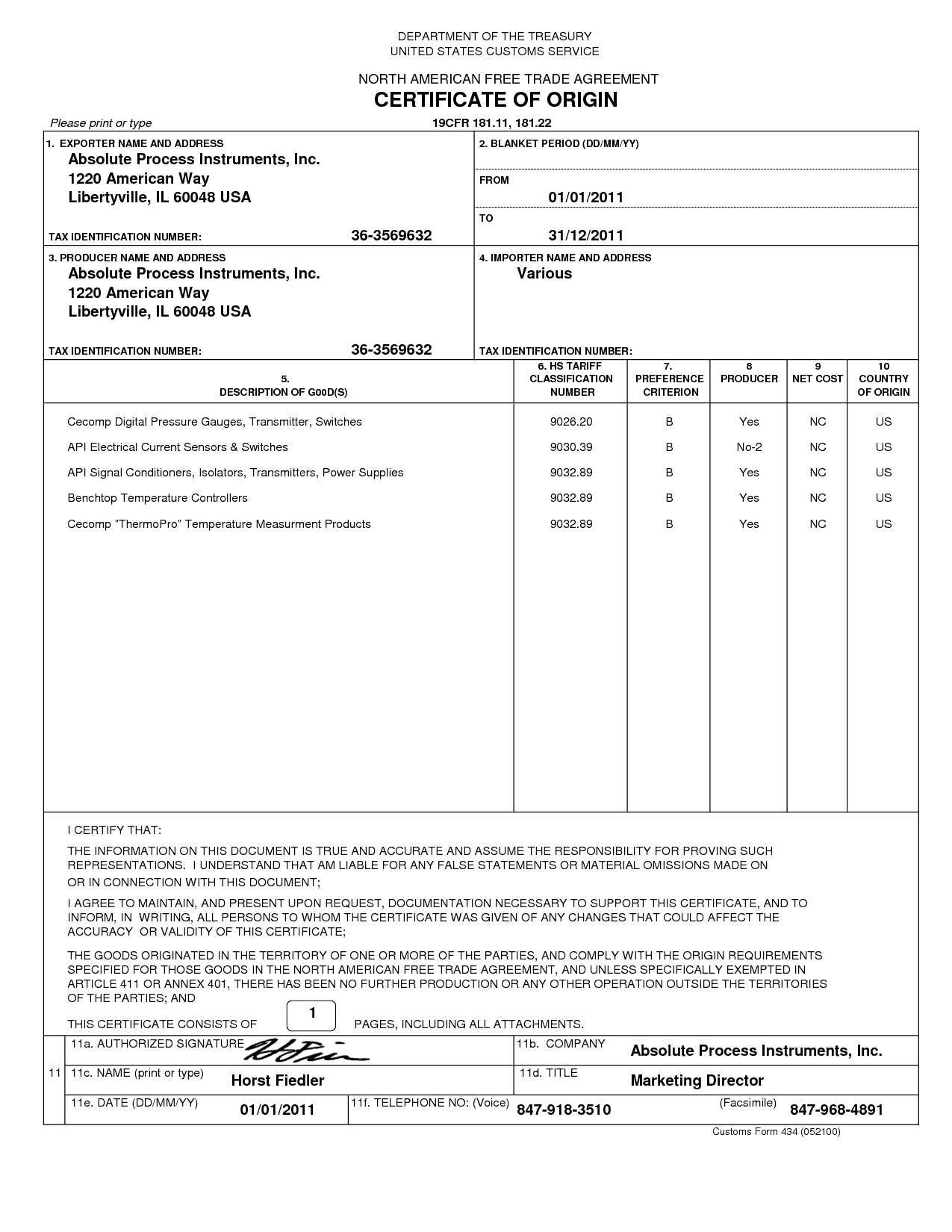
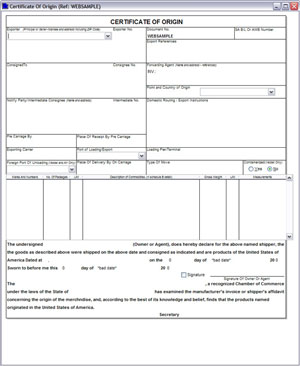
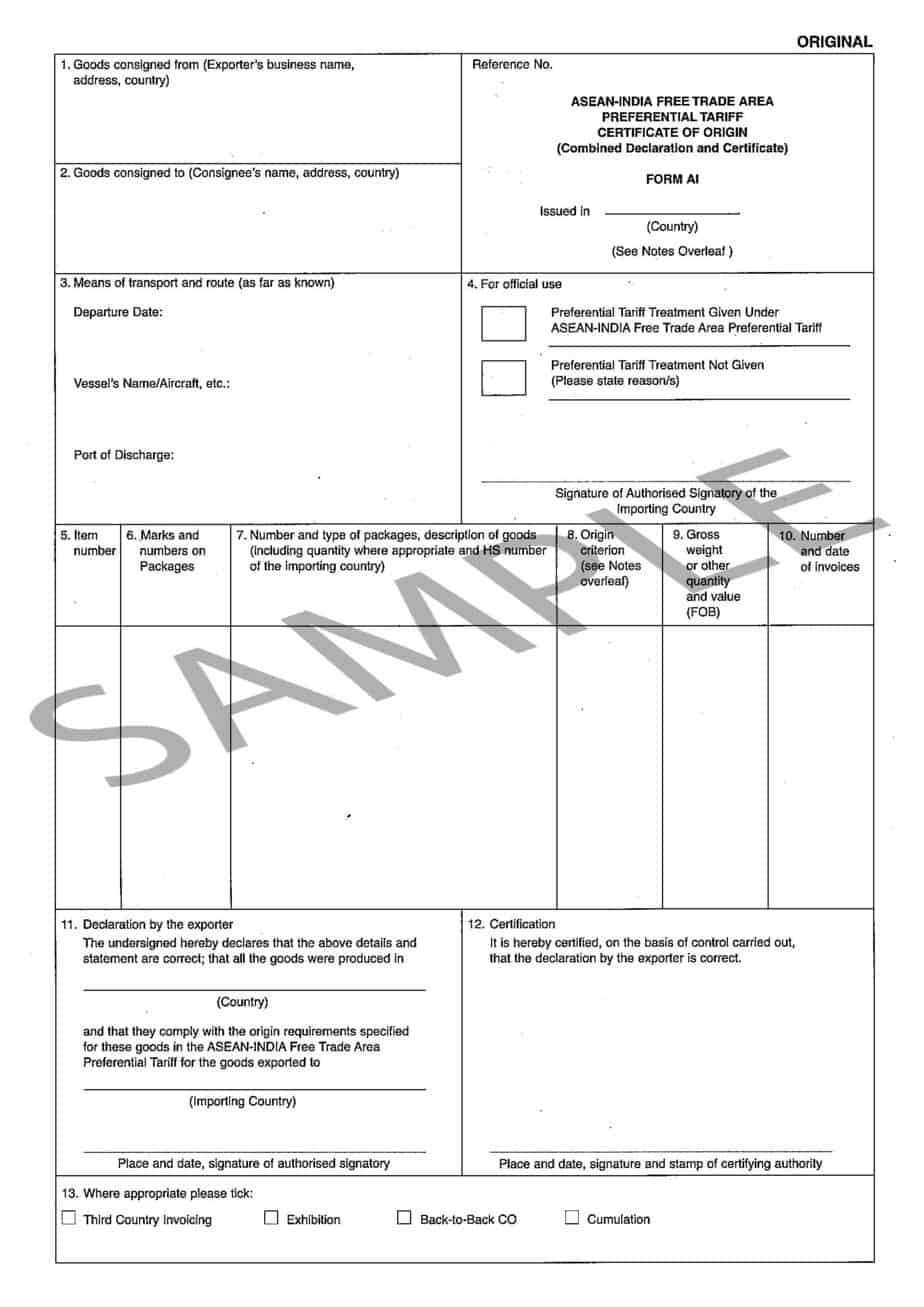
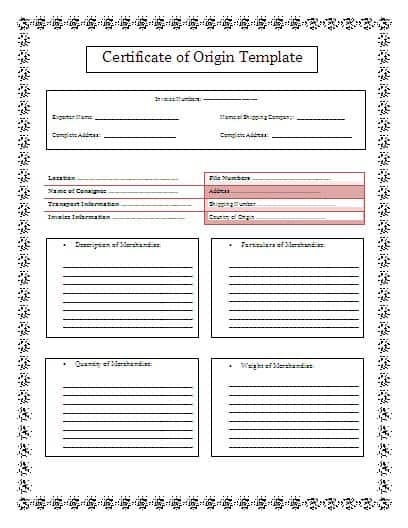
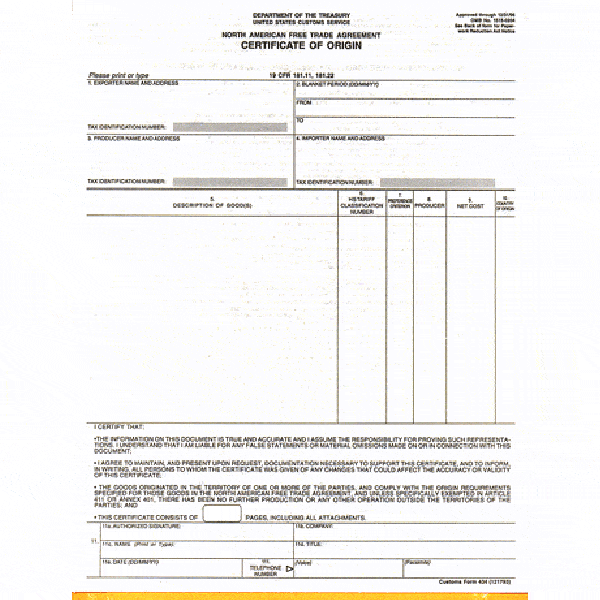
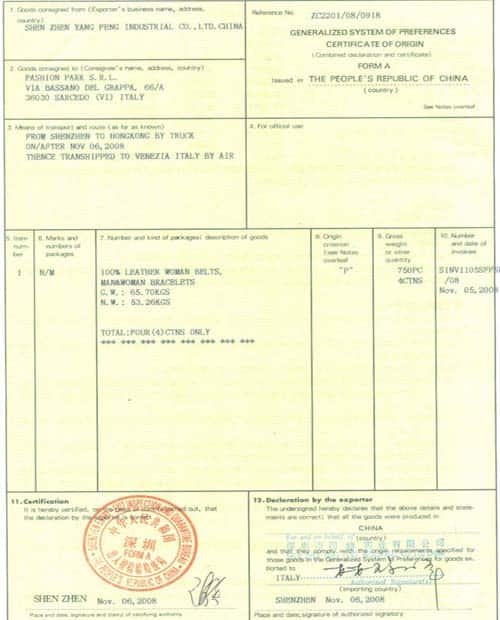
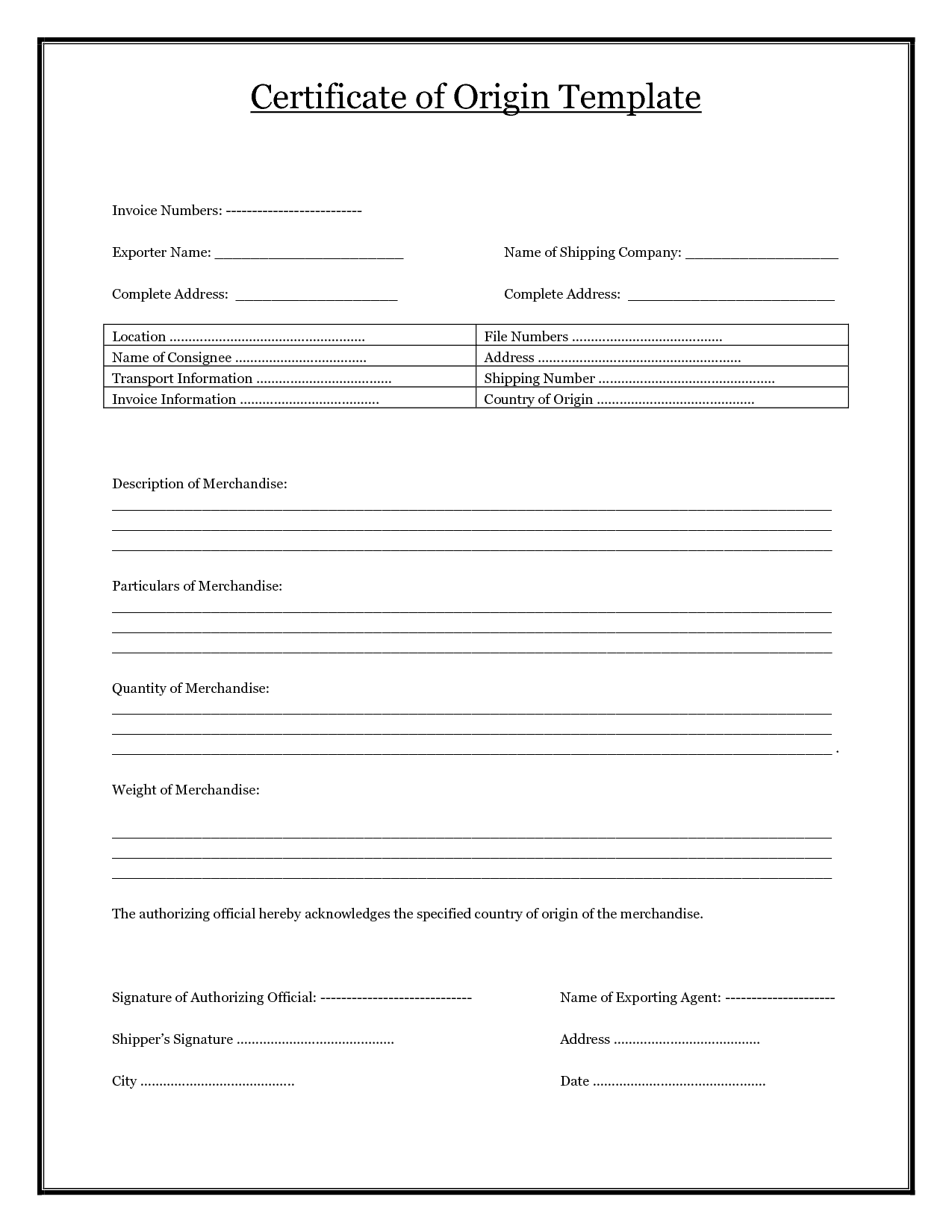
This Certificate of Origin template provides a formal layout for organizing origin information associated with exported products. It can serve as a reference when preparing documentation for an international shipment.

Enter accurate product descriptions and origin information and check the completed certificate against other shipping documents. Any required signature, stamp, or certification should be completed according to the applicable procedure.

Certificate of Origin template for export documentation and customs
downlaod link

This Certificate of Origin template provides another editable format for documenting the country of origin of products. It can help exporters organize shipment information in a consistent document.

Customize the template for the specific shipment and keep the information aligned with the invoice and packing list. Check current requirements before submitting it to an authority or trade organization.

Editable Certificate of Origin template for exporters and importers
downlaod link

This Certificate of Origin template provides a structured document for recording exporter, importer, product, and origin information. It can be useful as a reference when preparing international trade paperwork.

A template does not by itself constitute official certification. Where an authorized signature, stamp, or verification is required, follow the procedures established by the relevant organization.

Certificate of Origin document template for international trade paperwork
downlaod link

FAQs

1. What is a Certificate of Origin?

A Certificate of Origin is a trade document that identifies the country where goods were produced, manufactured, or otherwise originated.

2. What does a Certificate of Origin include?

It may include exporter and importer information, product descriptions, quantities, weights, invoice details, country of origin, and certification information.

3. Can I edit a Certificate of Origin template in Word?

Yes. A Word template can be customized with shipment, exporter, importer, and product information.

4. Who issues a Certificate of Origin?

Depending on the country and type of certificate, it may be issued or certified by a chamber of commerce, customs authority, or another authorized organization.

5. Is a Certificate of Origin required for every shipment?

No. Requirements depend on the destination, products, trade arrangements, customs rules, and other circumstances of the shipment.

6. What is the difference between preferential and non-preferential origin?

Preferential origin documentation may support special tariff treatment under an applicable trade agreement, while non-preferential origin generally identifies the origin of goods without providing preferential tariff treatment.

7. Is a Certificate of Origin the same as a commercial invoice?

No. A Certificate of Origin identifies the origin of goods, while a commercial invoice generally documents the commercial transaction and value of the goods.

8. Can a generic Certificate of Origin template be used officially?

Not necessarily. A generic template is a starting point and may need to be adapted to the requirements of the relevant authority, chamber of commerce, customs process, or trade agreement.